



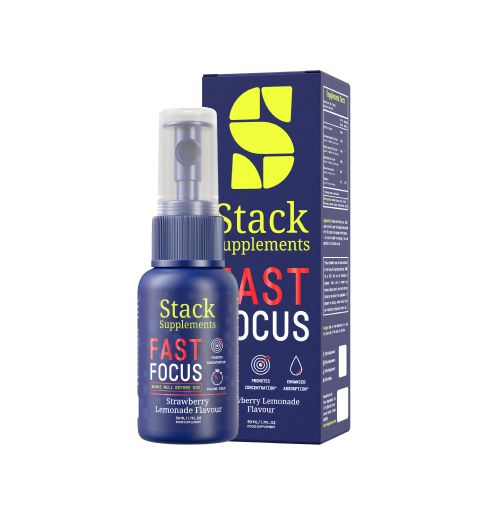

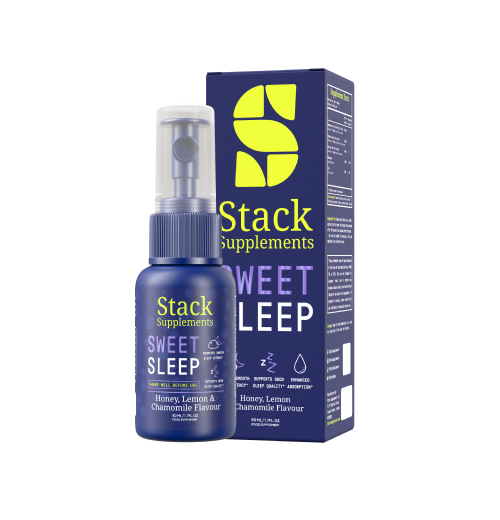

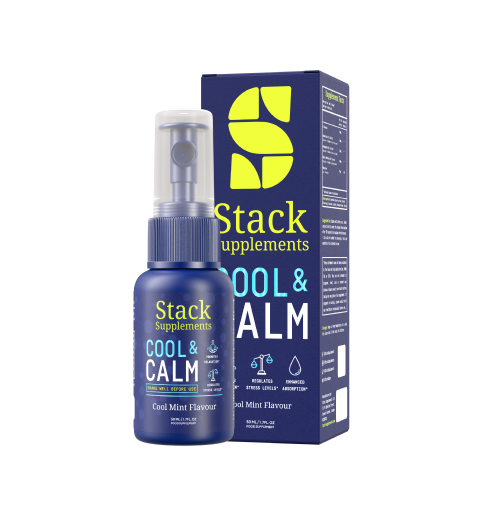

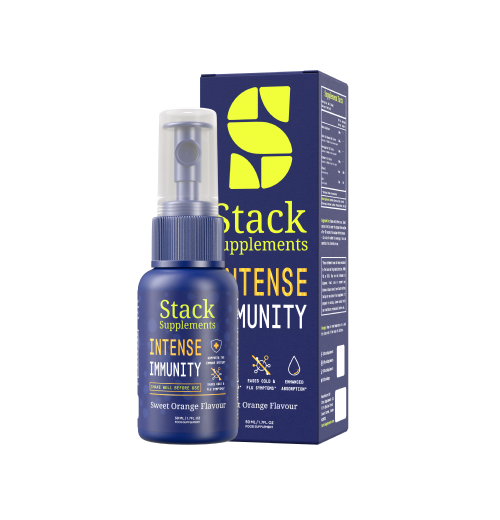

Magnesium is one of the most versatile and essential minerals, playing a critical role in over 300 enzymatic processes in the body, from energy production to muscle relaxation and nervous system regulation. But not all magnesium supplements are created equal. Different forms of magnesium have unique absorption rates, benefits, and applications, making it essential to choose the right one for your needs. Below, we explore some of the most common forms of magnesium, their benefits, potential drawbacks, and how they fit into your wellness routine. This cheatsheet is your one-stop guide to which could be beneficial to you!
Magnesium Oxide
Magnesium Oxide is a commonly available form often found in inexpensive magnesium supplements. However, it’s poorly absorbed by the body, meaning you may not reap all the benefits despite its high elemental magnesium content. This form is generally used for relieving occasional constipation or indigestion.
Benefits/Use Cases:
- May help relieve constipation.
- Occasionally used to manage indigestion.
- Cost-effective option for non-specific magnesium supplementation.
Potential Cons:
- Poor bioavailability (only around 4% absorption).
- Can lead to digestive discomfort or bloating in sensitive individuals.
Magnesium Citrate
Magnesium Citrate is a more bioavailable form, meaning it is absorbed better than Magnesium Oxide. It’s often used to support digestion and relieve occasional constipation, thanks to its gentle laxative effect.
Benefits/Use Cases:
- Supports muscle relaxation and nervous system health.
- Helps relieve mild constipation.
- Can improve magnesium levels more effectively than Magnesium Oxide.
Potential Cons:
- May cause loose stools or diarrhoea in sensitive individuals.
- Best taken with food to avoid digestive upset.
Magnesium Lactate
Magnesium Lactate is another bioavailable form that is gentler on the stomach than Magnesium Citrate. It’s often used to support energy production and overall cellular function.
Benefits/Use Cases:
- Provides a gentle alternative for those sensitive to other forms.
- Helps regulate muscle and nerve function.
- Supports enzyme activity and cellular energy production.
Potential Cons:
- Still less bioavailable compared to premium forms like Magnesium Bisglycinate or L-Threonate.
- Rare side effects include mild digestive discomfort.
Magnesium L-Threonate
Magnesium L-Threonate stands out for its ability to cross the blood-brain barrier, making it an excellent choice for cognitive health and stress management. This is why it’s a key ingredient in our Cool & Calm spray, helping promote relaxation while supporting memory and focus.
Benefits/Use Cases:
- Improves cognitive function and memory.
- Supports stress management and mental clarity.
- May help improve sleep quality by calming the mind.
Potential Cons:
- More expensive than other forms.
- Research on long-term benefits is still emerging.
Magnesium Sulphate
Better known as Epsom Salt, Magnesium Sulphate is not commonly taken orally but is widely used in baths to relax sore muscles, reduce swelling, and ease tension.
Benefits/Use Cases:
- Relaxes muscles and eases soreness when used in baths.
- May reduce swelling and tension.
- Often used as part of detoxifying or calming bath rituals.
Potential Cons:
- Limited bioavailability if taken orally.
- Overuse in baths may cause mild skin irritation for sensitive individuals.
Magnesium Bisglycinate
Magnesium Bisglycinate is highly bioavailable and gentle on the stomach, making it an excellent choice for those looking to support sleep, relaxation, and overall well-being. It’s a key ingredient in our Sweet Sleep spray, where its superior absorption aids restful nights.
Benefits/Use Cases:
- Promotes restful sleep and relaxation.
- Supports muscle recovery and overall magnesium levels.
- Gentle on the stomach with minimal digestive side effects.
Potential Cons:
- Higher cost compared to basic forms like Magnesium Oxide or Citrate.
- May take longer to address severe deficiencies due to its gentler action.
Magnesium Chloride
Magnesium Chloride is often used in topical and bath products, allowing absorption through the skin. It’s commonly found in magnesium sprays and flakes for muscle recovery and relaxation.
Benefits/Use Cases:
- May improve magnesium levels through transdermal absorption.
- Relieves muscle tension when applied topically.
- Supports hydration and relaxation.
Potential Cons:
- Limited oral use due to a bitter taste.
- Effectiveness of topical absorption varies between individuals.
Magnesium Taurate
Magnesium Taurate combines magnesium with the amino acid taurine, making it a go-to choice for cardiovascular health. It may help regulate blood pressure and promote heart rhythm stability.
Benefits/Use Cases:
- Supports cardiovascular health and blood pressure regulation.
- Promotes calmness without laxative effects.
- May enhance glucose metabolism.
Potential Cons:
- May not address general magnesium deficiencies as effectively.
- Limited availability compared to other forms.
Magnesium Orotate
Magnesium Orotate is often marketed for heart health and energy metabolism. Though research is limited, it may provide benefits for athletic performance and cardiovascular support.
Benefits/Use Cases:
- May improve heart health and cellular energy production.
- Sometimes used by athletes for performance enhancement.
- Provides magnesium in a form that may target tissues more directly.
Potential Cons:
- Expensive compared to other forms.
- Limited research to confirm efficacy.
Magnesium Malate
Magnesium Malate is a lesser-known form that is particularly effective for reducing fatigue and muscle pain. It’s often recommended for those with fibromyalgia or chronic fatigue syndrome.
Benefits/Use Cases:
- Helps reduce muscle fatigue and pain.
- Supports energy production by aiding the Krebs cycle.
- May alleviate symptoms of fibromyalgia.
Potential Cons:
- Some users may experience mild digestive discomfort.
- More research needed for broader health benefits.
Final Thoughts and Disclosure
Magnesium comes in many forms, each with its own unique benefits and drawbacks. Whether you’re looking to improve sleep, support heart health, or boost cognitive function, choosing the right type of magnesium can make all the difference. Always consult a healthcare professional before adding a magnesium supplement to your routine, especially if you have pre-existing health conditions or are taking medication.